
Do You Need a Vent Pipe for a Bathroom Remodel?
You stand there, already imagining the space, tiles gleaming, fresh paint on every wall. When the idea takes hold, one detail tugs at your thoughts: a vent pipe, tucked in while updating everything. It might seem minor, but it still matters more than looks suggest. Left out, issues grow without warning. Dampness stays longer than it should. Floating into places they do not belong, smells drift without direction. Pressure builds until pipes shudder beneath a weight they never agreed to carry.
What Plumbing Vent Pipes Do?
Most people mix up that spinning kitchen hood with the roof pipe nearby, an easy mistake. Yet one pulls out dampness after showers, while the other keeps drains moving smoothly below. Picture swapping a bathtub for a tub to shower conversion in Bucks County, PA, or somewhere near Doylestown. Suddenly, knowing which tube does what matters more than expected. Mess it up, and gurgling sinks might follow.
Up above the house, a pipe climbs from the drains through the rooftop. Fresh air slips in here, helping keep pressure steady inside the plumbing. As water moves downward, suction begins to form behind it. Air sneaks in through this opening, stopping blockages before they happen. Flow stays quiet, steady, without hiccups.
A working plumbing setup needs steady air pressure to carry waste out of your house. When there is no upward pipe, usually known as a stack vent, the liquid inside behaves just like a drink in a straw if you cover the end; nothing flows. With the pipe running up and exiting through the roof, air from outside moves freely, letting gravity do its job instead of battling resistance.
A breath of air keeps the place alive, almost like it’s got lungs. When stillness settles inside, moisture lingers instead of sliding down the drain. Hidden somewhere within the framing, a small pipe hums along, unseen but busy. With each piece sitting where it should, silence holds – no odd sounds, no backups. Things flow without snagging, pulled by space that opens when needed.
The Unseen Hero Drains Need Air
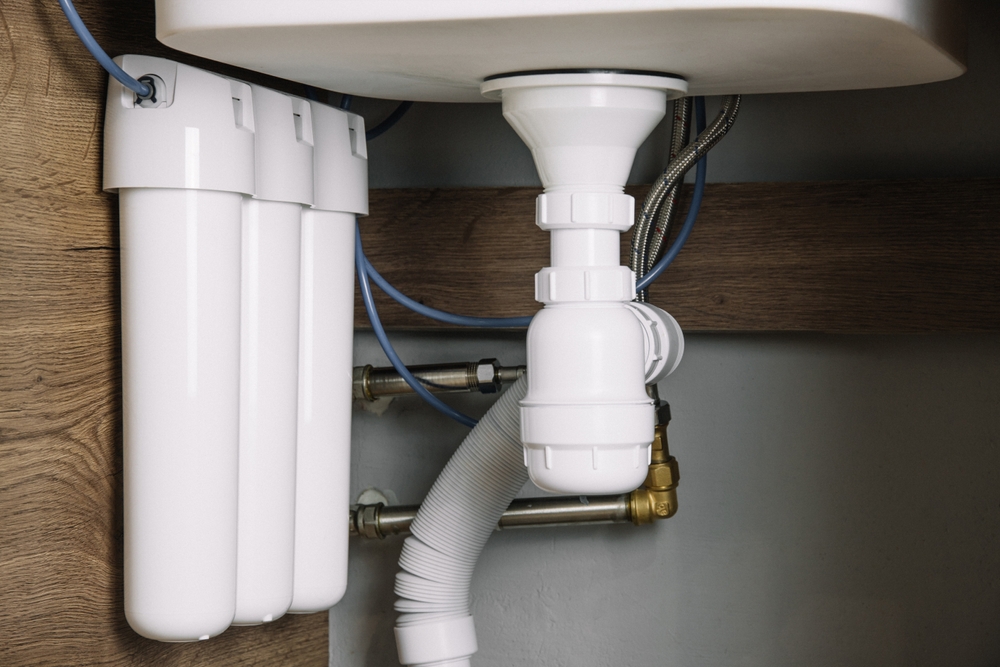
Built into each drain around your place is a curved pipe shaped like a P. That little pool sitting in the bend? It blocks stinky air from rising up out of the sewers. Water stays put right there, forming a quiet barrier you never see. Smells get stuck below instead of wandering into your rooms.
Here’s where the vent pipe matters most. A rush of water moving fast through the drain builds up pulling force behind it. If there’s no vent nearby to let air in and balance things out, that tug might yank the seal right from the P-trap. Lose the water barrier, and stinky sewer vapors get free access indoors. It’s the venting setup that quietly keeps those fumes outside where they belong.
Signs of Poor Bathroom Plumbing Ventilation
Should you be updating a vintage bathroom, clues could appear showing the initial ventilation fell short:
- Water moves sluggishly when trapped air resists it, slowing movement down despite clear pipes.
- A strange noise begins – soft pops tumbling along a hidden path. Because the system pulls air through the P-trap, trying to balance what’s missing below. What follows is a hush that feels off, almost breathless. Instead of steady flow, pockets rush where liquid once held ground. That moist burble shows up right after water leaves. Not sharp, but there, lingering in ears long after silence returns.
- Out of nowhere, silence in the pipes means trouble. When water slips away from the U-bend, old smells find a path out. Not used for weeks? That’s how traps go dry. Pressure drops underground can yank moisture right out. Where liquid held guard, vapor now sneaks upward. Hidden corners that should stay full let stink crawl free. What was sealed gets loose slowly.
- A bubble slips up the toilet whenever water flows somewhere else in the house. Draining the tub nudges pressure deep beneath floors. Trapped air searches for an exit – usually finds it through porcelain. That splashy cough? Pipes whispering under walls. Flow from upper rooms pushes gas along joined channels. Down here, resistance fades when it ought to hold. Suddenly, a bubble rises – paths shift while moving.
Navigating Plumbing Codes and Distances
Ventilation isn’t just suggested, building standards today make it mandatory for each plumbing fixture. In Exton, Pennsylvania, putting in a walk-in shower in Exton, PA means paying close attention to placement. Shift something slightly, maybe only a couple of feet, suddenly it fails inspection. Distance matters because regulations spell out precisely how far a trap can sit from its vent connection.
| Drain Pipe Diameter | Maximum Distance From Trap To Vent |
| 1.25 inches | 5 feet |
| 1.5 inches | 6 feet |
| 2 inches | 8 feet |
| 3 inches | 12 feet |
Out near the edge, even a small move of the sink could mess up how water flows away. That tiny error may pass quietly at first, yet show trouble later during checks meant to catch such flaws. Hit that boundary, one path opens – laying new pipe for airflow – or another appears: connecting sideways into what already runs nearby using a side route made just for joining lines.
Shape counts more than you might think. Not simply how far it goes. Each curve along the vent path needs a certain form. When a run lies too level, or snags on clumsy corners, water collects slowly. Stuck wetness gathers grime bit by bit. Eventually, thick residue blocks the passage, stopping air cold. Pros never wing the design. They check each slope carefully so gravity drains drips and keeps airflow open year after year.
Options for Tricky Installations The AAV
Now and then, how a home goes together means you cannot push a regular vent pipe up through the roof. When space gets tricky like that, there could be another option – an Air Admittance Valve. Picture something like a gate working just one way. As water moves out, it opens briefly so air can enter. Right after, it closes fast, blocking any stink from rising back inside. Even though these save room, they don’t work everywhere. Local rules often limit their placement. In the end, a regular upright vent going out the roof still works best.
The Hidden Dangers of Not Using the Vent
Skipping the vent pipe might seem smart when cutting costs or rushing a renovation, yet it often leads to trouble later. Health risks top the list, harmful fumes such as methane could quietly enter your home. Drains behave poorly too; they slow down, then clog without notice. Worse still, selling becomes harder, buyers spot the missing part fast, deals fall through, sudden fixes pile on stress.
When air does not move steadily, the whole plumbing setup begins to suffer. Each shift in pressure tugs at connections and gaskets. Skipping this step now may seem smart, yet it only invites disaster later. Safety lives in how freely a house allows air to flow. Contact One Day Bath Inc® Inc.® if you want your project done right. When pipes are set correctly at first, they tend to stay strong over time. That kind of care keeps everything working long after the work ends.